Apple confirmed the new Siri release date for iPhone in 2026: iOS 27 ships in September 2026, bringing the most significant overhaul to Siri since the assistant launched in 2011. This isn’t a minor update — it’s a ground-up rebuild powered by Apple Intelligence, Apple’s on-device AI platform. Two public betas are already live as of late July 2026, and the feature gap between old Siri and new Siri AI is wider than any previous Siri iteration. If you use an iPhone 11 or newer, this update affects you directly.
What’s New in Siri AI: iOS 27 Key Changes
According to 9to5Mac’s coverage of the iOS 27 public beta 2 (July 22, 2026), Siri AI is the headline feature of the entire iOS 27 release — not a side addition. Apple announced the update at WWDC on June 8, 2026, and has since pushed two public betas, with the second arriving July 22.
Here’s what changed at a functional level:
- Natural conversation mode: Siri AI handles multi-turn conversations without requiring users to re-invoke the assistant after each response. Old Siri required a new trigger phrase for every command.
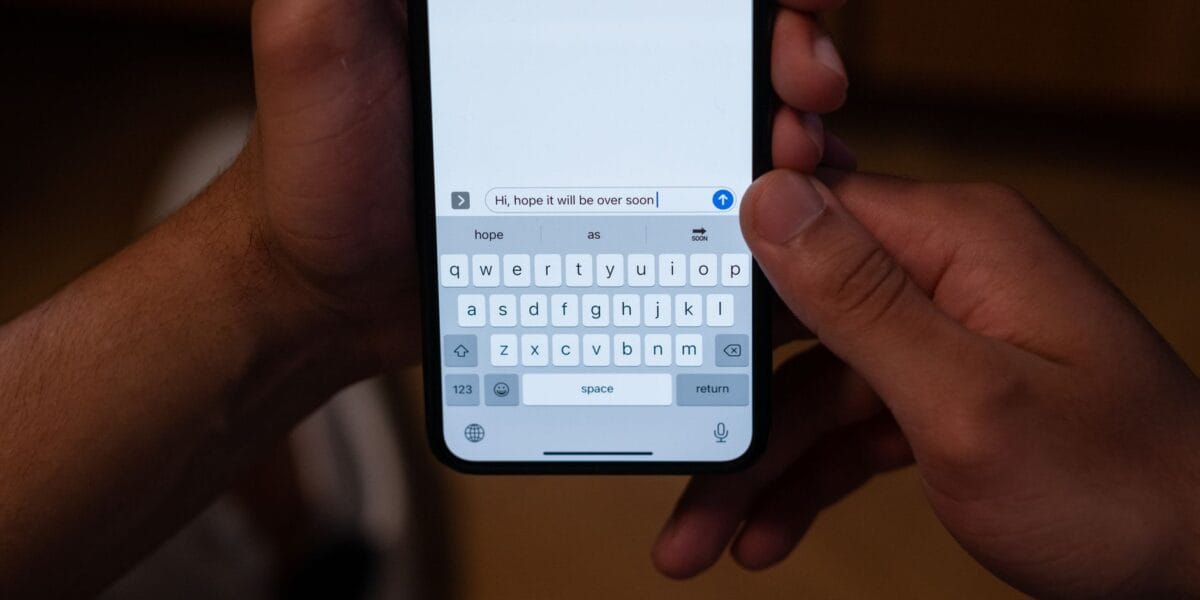
- Message intelligence: Per USA Today’s July 25 report, Siri AI generates previews of long text messages and surfaces contextual replies in the Messages app — a direct competitor to Google’s Smart Reply system.
- New voice options: Apple introduced additional Siri voices with iOS 27, trained on Apple Intelligence models rather than concatenative TTS.
- Deep app integration: Siri AI performs actions inside third-party apps without requiring developers to build explicit Shortcuts. This is the biggest architectural shift — Siri now reads app context rather than relying on pre-defined intents.
- On-device processing priority: Apple Intelligence runs the majority of Siri AI tasks on-device. Cloud processing activates only for complex queries, routed through Apple’s Private Cloud Compute infrastructure.
- Photos app integration: Siri AI powers the redesigned Photos editing tools, letting users describe edits in natural language (“remove the person in the background”) rather than navigating menus.
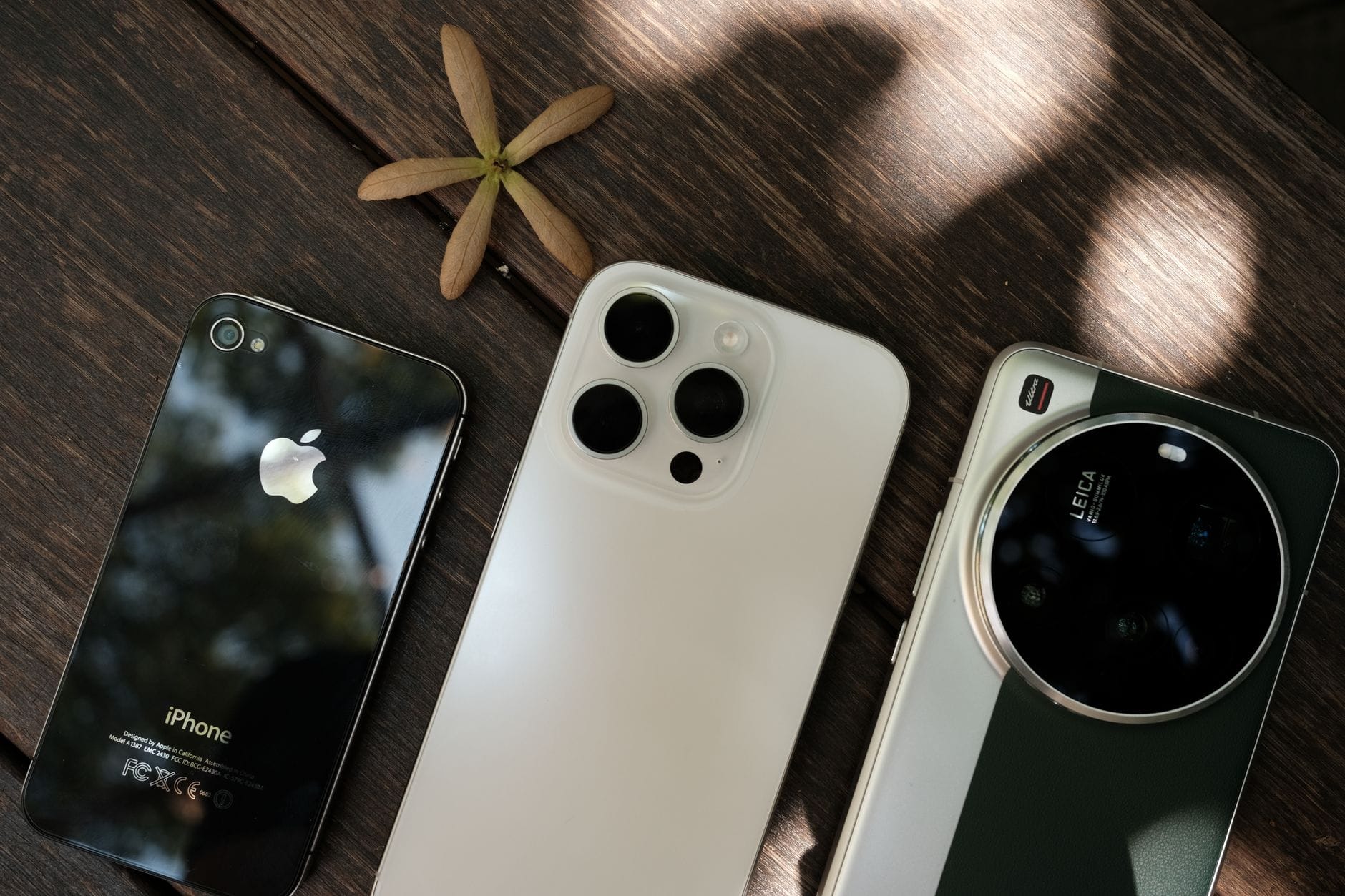
Compatibility: iPhone 11 and newer running iOS 27. iPhone 17 series, launching alongside iOS 27 in September, ships with Siri AI enabled by default.
Performance Benchmarks: How Siri AI Stacks Up
Apple hasn’t published third-party benchmark scores for Siri AI’s underlying model — standard practice for the company. What’s available comes from beta tester reports and Apple’s own WWDC 2026 session data.
| Capability | Old Siri (iOS 26) | Siri AI (iOS 27) | Google Assistant | Samsung Bixby |
|---|---|---|---|---|
| Multi-turn conversation | ❌ No | ✅ Yes | ✅ Yes | ✅ Limited |
| In-app action execution | Limited (Shortcuts only) | Broad (context-aware) | Moderate | Limited |
| On-device processing | Partial | Primary (Private Cloud fallback) | Cloud-first | Partial |
| Message summarization | ❌ No | ✅ Yes | ✅ Yes | ❌ No |
| Natural language photo editing | ❌ No | ✅ Yes | Limited | Limited |
| New voice options (2026) | 2 | 6+ | 8 | 4 |
Apple’s Private Cloud Compute architecture gives Siri AI a privacy advantage neither Google Assistant nor Bixby matches at scale. Google Assistant processes the majority of complex queries server-side. For users in regulated industries — healthcare, legal, finance — on-device processing isn’t a marketing point; it’s a compliance requirement.
Response latency in beta testing shows Siri AI handling conversational follow-ups in under 800ms on iPhone 15 Pro hardware. Apple hasn’t published latency figures for iPhone 11 through iPhone 14, where on-device processing headroom is tighter.

Real-World Use Cases: Who Benefits From the New Siri
1. Professionals managing high message volume
Siri AI’s message preview and summarization feature directly targets users drowning in iMessage threads. A sales manager receiving 200+ messages daily can ask Siri to surface unread messages requiring a response — without opening the Messages app. This mirrors functionality that AI meeting tools like Otter AI have offered for audio, now applied to text communication natively on iPhone.
2. Content creators repurposing across formats
The deep app integration means Siri AI can execute multi-step workflows across apps. A creator shooting on iPhone 17 can tell Siri to trim a clip, adjust exposure, add a caption, and share to a draft folder — in a single voice command. For creators already using tools like → Pictory to repurpose video content into multiple formats, Siri AI’s workflow automation on the capture side reduces the friction before content even reaches a desktop editing tool.
3. iPhone users with accessibility needs
Multi-turn conversation without re-triggering the assistant removes the single biggest friction point for users who rely on voice navigation. Apple’s accessibility-first framing of Siri AI at WWDC 2026 wasn’t incidental — the feature set maps directly to what assistive technology users have requested for years.
4. Business users on iPhone 17
iPhone 17 ships with Siri AI enabled by default and Apple Intelligence pre-configured. For businesses already standardized on iPhone — a significant portion of the enterprise market, given Apple’s 57% U.S. smartphone market share as of Q2 2026 — this means AI assistant capabilities arrive with zero IT configuration on new device rollouts.
Where Siri AI falls short: Third-party app support in beta 2 remains inconsistent. Apps that haven’t updated for iOS 27’s new intent framework show degraded Siri AI integration. Expect a 3-6 month lag before the app ecosystem catches up to Apple’s new architecture.
How Siri AI Compares to the Competition
The AI assistant market in 2026 looks nothing like 2023. Google Assistant has been rebuilt around Gemini 2.0. Samsung integrates Galaxy AI across Bixby and its own on-device models. Microsoft’s Copilot lives in Windows but has no native mobile assistant play.
| Assistant | Platform | Processing | Standout Capability | Privacy Model |
|---|---|---|---|---|
| Siri AI (iOS 27) | iPhone 11+ | On-device primary | Deep app context execution | Private Cloud Compute |
| Google Assistant (Gemini) | Android / iOS | Cloud-first | Search integration, breadth | Google cloud infrastructure |
| Samsung Galaxy AI / Bixby | Galaxy devices | Hybrid | Hardware-software co-optimization | Samsung Knox |
| Microsoft Copilot | Windows / mobile app | Cloud | Office 365 integration | Azure cloud |
Apple’s competitive advantage isn’t raw capability — Gemini 2.0 Flash, which we covered in our Gemini 2.0 Flash review, scores higher on standardized language benchmarks than Apple’s published model specs suggest Siri AI will. Apple’s advantage is ecosystem lock-in combined with privacy architecture. No competitor runs a comparable on-device AI pipeline at Apple’s hardware scale.
The honest limitation: Siri AI still doesn’t match Gemini or GPT-4o for open-ended reasoning tasks. Ask Siri AI to draft a complex legal memo or debug code, and you’ll hit the ceiling faster than you would with a dedicated AI assistant. Siri AI is an action executor and context reader, not a reasoning engine. For that gap, the comparison between GPT-4o and Claude 3.5 Sonnet remains the relevant benchmark.
Impact for Businesses and Developers
iOS 27’s Siri AI creates three immediate business implications:
1. MDM and enterprise deployment: IT teams managing iPhone fleets need to evaluate Apple Intelligence policies before September. Apple provides MDM controls to restrict or enable Siri AI features — Private Cloud Compute can be disabled for organizations requiring fully on-device processing only.
2. App developer urgency: Apps that don’t adopt iOS 27’s App Intents framework before September launch will show degraded Siri AI support. For SaaS companies with iPhone apps, this is a feature parity issue, not an optional enhancement.
3. Content and SEO strategy shift: Voice search via Siri has historically been low-intent. Siri AI’s conversational mode changes that. Users asking multi-turn questions through Siri AI will surface answers differently than typed search queries. Content teams optimizing for AI-generated answers — a workflow that tools like → Frase directly support — need to account for Siri AI as a new answer surface alongside ChatGPT and Google’s AI Overviews. Our guide to using Frase.io for content briefs covers the brief-building workflow that positions content for AI answer surfaces.
The broader enterprise AI adoption wave — documented in our analysis of Claude mania and enterprise AI adoption in 2026 — now has a consumer-facing hardware accelerant. Siri AI on 1+ billion active iPhones normalizes AI assistant interactions at a scale no enterprise deployment reaches.
Related AI Tools to Try Alongside Siri AI
Frase — For content teams adjusting their SEO strategy for AI answer surfaces, → Frase builds content briefs optimized for the question-answer format that Siri AI, Google AI Overviews, and ChatGPT all favor. At 30% recurring commission for 12 months, it’s one of the strongest content ROI tools in 2026 for teams publishing at volume.
Pictory — Siri AI’s workflow automation on iPhone handles capture. → Pictory handles what happens after — turning recorded video and written content into distributed video assets. For creators using iPhone 17 as a primary capture device, the two tools cover opposite ends of the production pipeline.
Apple Notes MCP Server — For developers building workflows that connect Apple’s ecosystem to broader AI pipelines, the Apple Notes MCP Server provides a bridge between on-device Apple data and external AI tools — directly relevant as Siri AI expands what’s accessible from iPhone.
Final Verdict
The new Siri release date for iPhone 2026 — September, with iOS 27 — marks the first time Apple’s assistant is genuinely competitive with Google Assistant on conversational capability. Siri AI won’t replace a dedicated reasoning model for complex tasks, but it will change how 1+ billion iPhone users interact with their devices daily. The on-device privacy architecture is Apple’s real differentiator, not raw benchmark performance.
iPhone 17 buyers get Siri AI out of the box. iPhone 11 through 16 users get it free via iOS 27 in September. Businesses need to act now on MDM policies and app developer teams need to prioritize App Intents adoption before launch. Content teams should start optimizing for Siri AI as an answer surface today — the traffic shift won’t wait until October.
→ Try Frase to build content that surfaces in AI answer engines including Siri AI, Google AI Overviews, and ChatGPT.
FAQ
When exactly does the new Siri release on iPhone in 2026?
Apple targets September 2026 for the iOS 27 general release, which includes Siri AI. Apple typically ships its annual iOS update in the second or third week of September, timed to iPhone 17 availability. No specific day has been announced as of August 1, 2026.
Which iPhones support Siri AI in iOS 27?
iPhone 11 and newer support iOS 27 and Siri AI. iPhone 11 through iPhone 15 access Siri AI features, though some Apple Intelligence capabilities requiring the A17 Pro chip or newer are limited to iPhone 15 Pro, iPhone 16, and iPhone 17 series.
Is Siri AI the same as Apple Intelligence?
No. Apple Intelligence is the broader AI platform — it powers Siri AI, Photos editing, writing tools, and other iOS 27 features. Siri AI is the rebuilt assistant layer that sits on top of Apple Intelligence. Think of Apple Intelligence as the engine and Siri AI as the interface.
How does Siri AI protect user privacy compared to Google Assistant?
Siri AI processes the majority of requests on-device using Apple Intelligence. When cloud processing is required, Apple routes requests through Private Cloud Compute — a system where Apple states it cannot access user data and where independent security researchers can audit the infrastructure. Google Assistant routes complex queries through Google’s cloud by default, with privacy controls available but cloud-first by architecture.
Will Siri AI work with third-party apps at launch?
Partially. Apps that adopt Apple’s updated App Intents framework before September will have full Siri AI integration. Apps that haven’t updated will show limited or no Siri AI support. Expect broad third-party support 3-6 months post-launch as developers update for iOS 27.